Rowing has quietly become the connected fitness category with the most credible premium options, and these two machines represent genuinely different philosophies about what home rowing should feel like. The hardware differences matter, but the software approach is what will determine which one you actually use six months in.
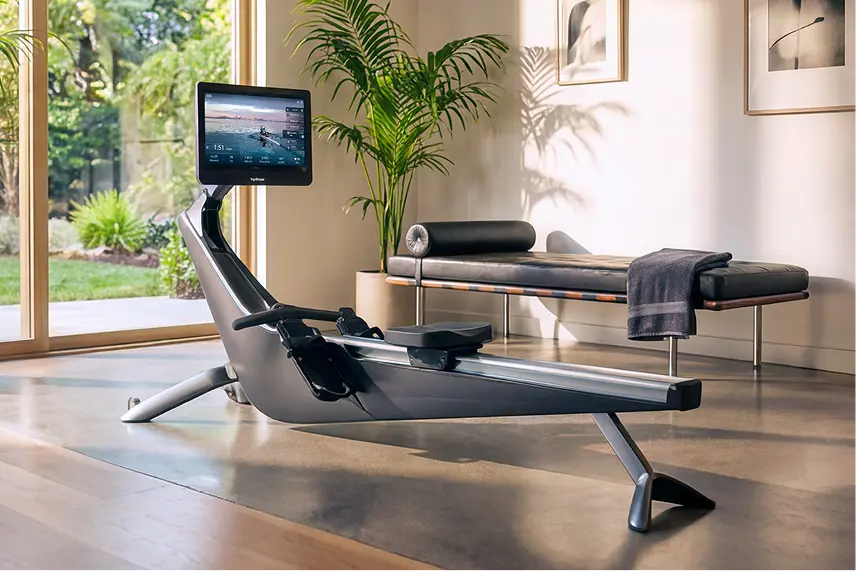
The Hydrow ($2,495 for the original, $1,995 for the Wave, plus $44/month membership) uses an electromagnetic drag mechanism and a 22-inch HD touchscreen to deliver instructor-led classes filmed on waterways around the world. The production quality is closer to a Peloton experience than a workout tape, with athletes from the U.S. National Team leading most sessions. The stroke feels smooth and consistent, and the machine folds vertically for storage with an optional upright kit. The smaller Hydrow Wave uses the same software with a lighter frame and 16-inch screen, making it the more practical choice for smaller spaces.
The Ergatta ($2,499, plus $29/month membership) takes a fundamentally different approach, built around a WaterRower frame made from handcrafted American ash with a water flywheel that produces the closest feel to actual on-water rowing. The 17.3-inch touchscreen runs game-based workouts rather than instructor-led classes, with race modes, interval challenges, and progression-based programs that adapt to your fitness level. There are no live instructors, which some athletes find refreshing and others miss. The wooden frame is beautiful enough to leave in a living room, though it doesn't fold for storage.
The verdict: Choose the Hydrow if you're motivated by instructor energy and scenic destination workouts that make cardio feel less like a chore. Choose the Ergatta if you prefer training on your own terms, want the authentic water-rowing feel, and appreciate equipment that looks like furniture rather than gym gear.